
Physical Exercise Consciousness: Why Exercise Safeguards the Long-term Wellbeing.
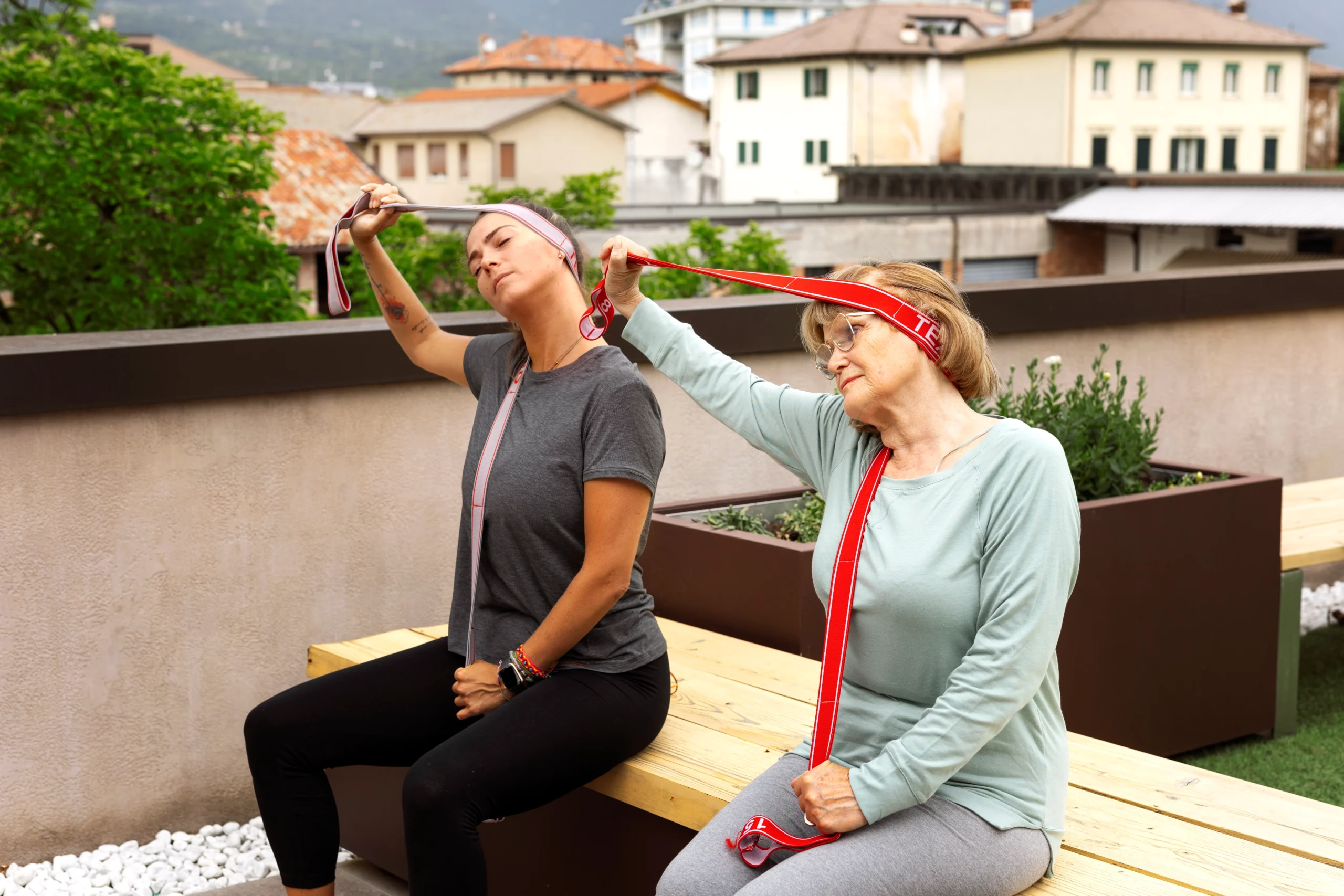
The human body has a natural mechanism of movement. Evolution of muscles, joints, bones, tendons, and cardiovascular system make them work best when moving is an everyday activity. However, in the contemporary world, a lot of activities are associated with a lot of sitting time, less physical activity, and high dependency on computer systems. This has introduced the difference between the intended functioning of the body and its actual usage. Awareness of physical activity is an understanding of this discrepancy and the realisation of why regular movement is vital to lifetime health.
Frequent movement promotes almost all physiological systems. The contraction of the muscles causes blood circulation to be stimulated and aids in the transportation of oxygen and nutrients within the body. Effective circulation makes sure that the tissues get what is necessary to be functioning and that they get rid of the waste products. In case of poor circulation because of inactivity, people can complain of fatigue, cold extremities, swelling, and less physical endurance. In the long term, such relatively small problems may lead to more severe cardiovascular complications.
Muscle tissue is not just essential in physical strength. The muscles are metabolic tissues, which aid in blood sugar concentration, by taking up glucose in the blood. Loss of muscle mass through immobility causes the body to lose its ability to control blood sugar. This ineffectiveness raises the threat of insulin resistance and insulin metabolic diseases. Regular movement is a way of maintaining muscle which facilitates metabolic balance and energy regulation.
Physical activity also has a very strong impact on bone health. Mechanical stress causes the bones to become stronger. Exercise involving weight-bearing exercise stimulates bone remodeling, which preserves bone density and bone integrity. In the absence of daily stress, the bones degenerate progressively, exposing them to the risk of fractures in old age. The consciousness of physical activity emphasizes the significance of the paths that put mildly steady strain on the skeletal system.
Motion in joint health is required. Synovial fluid lubricates the joints and circulates when the joint is in motion. This circulation is decreased by inactivity which causes stiffness and discomfort. With aging, the loss of mobility may restrict the range of motion and endanger the degeneration of the joints. Flexibility in joints and comfort is ensured by regular movement.
Exercise influences the mental health significantly. Exercise triggers the production of neurotransmitters like endorphins, dopamine and serotonin which help in regulating mood and emotional stability. People who exercise regularly report about less stress, an uplifted mood, and increased capacity to deal with everyday stresses. There is also physical activity to assist the brain as it helps blood to flow to the brain.
Activity patterns have close relationships with energy levels. As strange as it sounds, it is through frequent movement that the energy is boosted and not depleted. Sedentary behavior tends to bring in a sense of slackness. Exercise increases the body circulation and the activity of mitochondria, which increases cellular energy levels.
Exercise does not demand serious exercises or sporting activities. It is better to be consistent than intensive. Daily walking, stretching, mild strength building, household chores, and recreation, all help in health when the activity is adopted habitually.
Perception forms one of the largest barriers to physical activity. Most individuals consider exercise as an activity that involves special gadgets or even time. Physical activity awareness transforms the understanding of movement as a process that is a part of life but not a requirement.
Movement when it is integrated into everyday routine makes it more sustainable. Stairs, moving short distances, standing up every so often, or a break of a few minutes of activities add up.
Regular exercise also increases the strength of the body with time and makes the body less susceptible to chronic disease.